The Window to Shape the Future is Open — But Not for Long
With the property now moving toward public ownership, decisions are being made that will shape this shoreline for generations. Plans to clear and demolish the site risk erasing opportunities before a broader vision is fully explored.
Golden Gate Fields is one of the largest and most accessible waterfront sites in the East Bay. Sites like this rarely become available. Once the grandstand and existing infrastructure are removed, those opportunities are gone forever.
This is a critical moment to build a coalition of residents, families, environmental advocates, recreation groups, designers, and civic leaders to help shape a more ambitious future for the site.
Decisions are happening now. Demolition is already being discussed, and once the site is cleared those opportunities are gone forever. Yet the vision for Golden Gate Fields is still open.
The East Bay needs more recreation space and a shoreline that can respond to climate change. This site has the potential to do both — but only if a broad coalition helps shape what comes next.
A New Model for the East Bay Waterfront
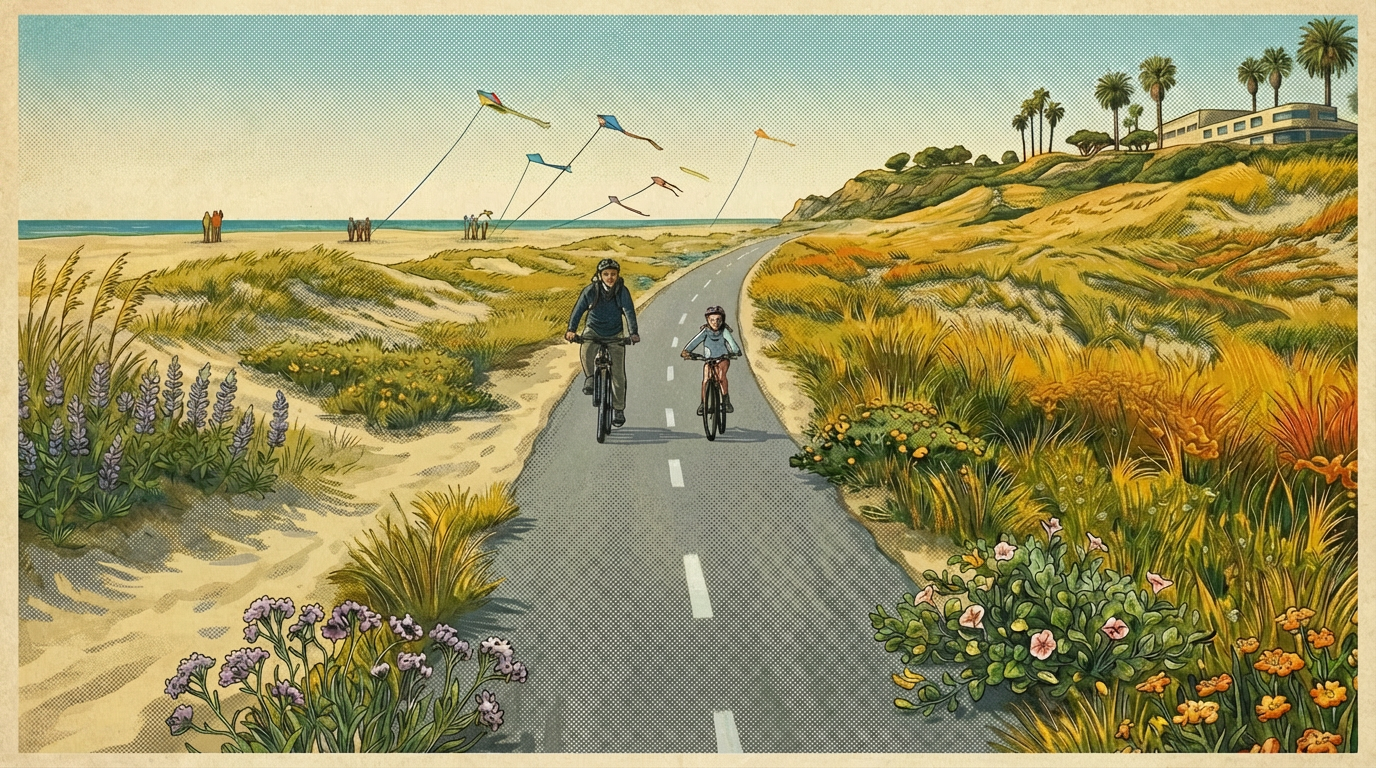
Along the Eastshore waterfront, parks have traditionally been defined by preservation and access. Golden Gate Fields offers the chance to move beyond that model and create a park that is as active as it is ecological — and as dynamic as it is restorative.
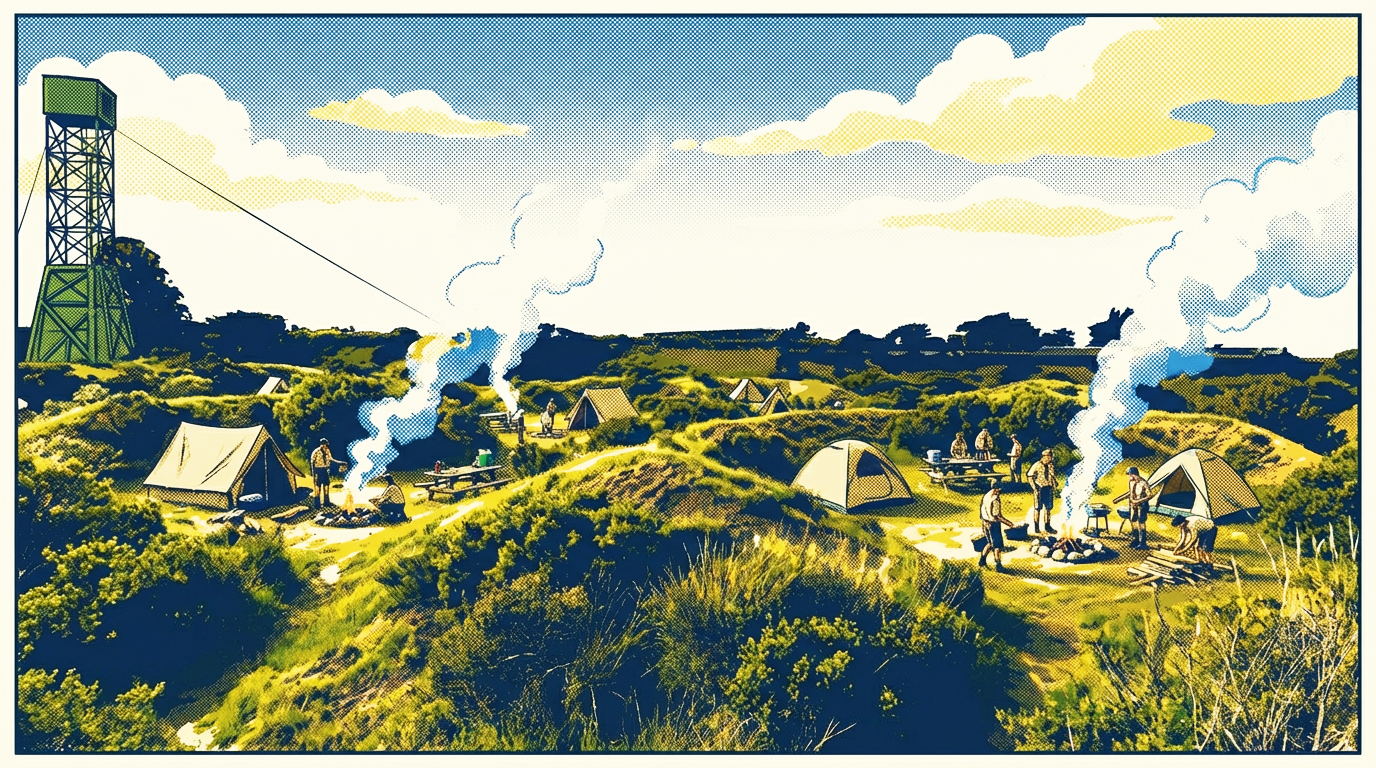
This site has the potential to bring together regional-scale recreation, restored wetlands, adaptive shoreline systems, civic gathering spaces, environmental education, and even a regional ferry connection that strengthens access across the Bay.
It can also demonstrate a different economic model for public space — one where hospitality, recreation, and active public use help support long-term ecological stewardship and maintenance over time.
Rather than separating recreation and ecology, Golden Gate Fields can show how the two actively strengthen one another.
Designing for a Changing Shoreline
Golden Gate Fields sits at the edge of the Bay, where the impacts of sea level rise are already being felt.
The future of the Eastshore cannot rely on static landscapes or conventional approaches to shoreline parks. This site presents an opportunity to build a resilient and adaptive ecology that responds to climate realities while remaining deeply connected to public life.
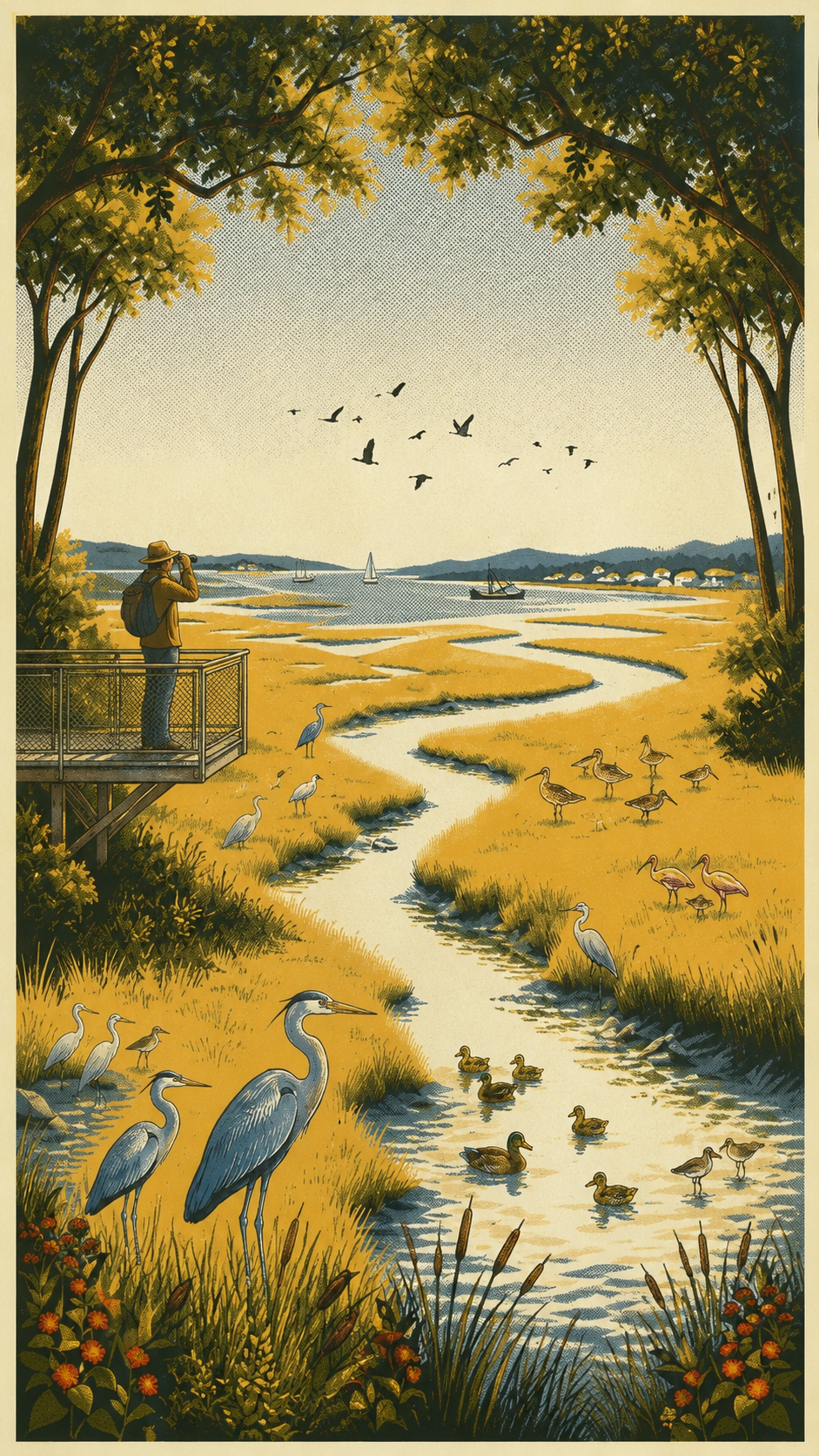
The site could support restored wetlands, living shoreline systems, the reconnection of Codornices Creek to the Bay, native habitat corridors, and landscapes designed to absorb and manage water over time.
This is not about recreating a pristine past. It is about building a resilient future.